
Frozen Specimen Transport: A 2026 Guide for Lab Managers
Discover what frozen specimen transport is and how it ensures accuracy in laboratory analysis. Learn the best practices for 2026.

Frozen Specimen Transport: A 2026 Guide for Lab Managers
***
> TL;DR: > > - Frozen specimen transport involves moving biological samples at –20°C or colder to preserve integrity and prevent analyte degradation. Proper packaging with dry ice, compliance with regulations, and real-time temperature monitoring are essential to maintain sample quality during transit. Proper handoff procedures and courier selection are critical to prevent pre-analytical errors and ensure specimen validity.
***
Frozen specimen transport is defined as the controlled movement of biological samples maintained at –20°C or colder using dry ice, mechanical refrigeration, or validated insulated containers to preserve analyte stability from collection through laboratory analysis. The industry term for this process is cold chain transport, and it applies to serum, plasma, molecular samples, and other biologicals that degrade rapidly at ambient temperatures. Regulatory bodies including IATA and AORN set the standards governing how these shipments must be packaged, labeled, and handled. Improper transport causes enzymatic degradation, hemolysis, and analyte loss, all of which compromise diagnostic accuracy before a sample ever reaches the analyzer.
What is frozen specimen transport and why does temperature matter?
Frozen specimen transport is the process of moving biological samples under controlled freezing conditions to prevent chemical and cellular breakdown. The core requirement is maintaining samples at –20°C or colder throughout the entire transit window, from the moment of collection to receipt at the receiving laboratory.
Temperature deviations carry direct clinical consequences. Hemolysis from improper transport can falsely elevate potassium levels by 20–30%, which means a clinician could act on a result that does not reflect the patient's actual physiology. That single error can trigger unnecessary treatment decisions, repeat draws, and delayed diagnoses.
The sample types most vulnerable to temperature excursions include serum and plasma for chemistry panels, EDTA whole blood for molecular testing, urine for toxicology, and tissue biopsies for pathology. Each of these has a defined stability window that collapses once the cold chain breaks. Lab managers who understand this connection treat transport as part of the analytical process, not a separate logistical task.
What temperature controls and packaging are required for frozen specimens?
The required temperature range for frozen biological sample transport is –20°C or colder. Dry ice, which sublimates at –78.5°C, is the most widely used refrigerant because it maintains this range reliably over 24–48 hours without mechanical support.
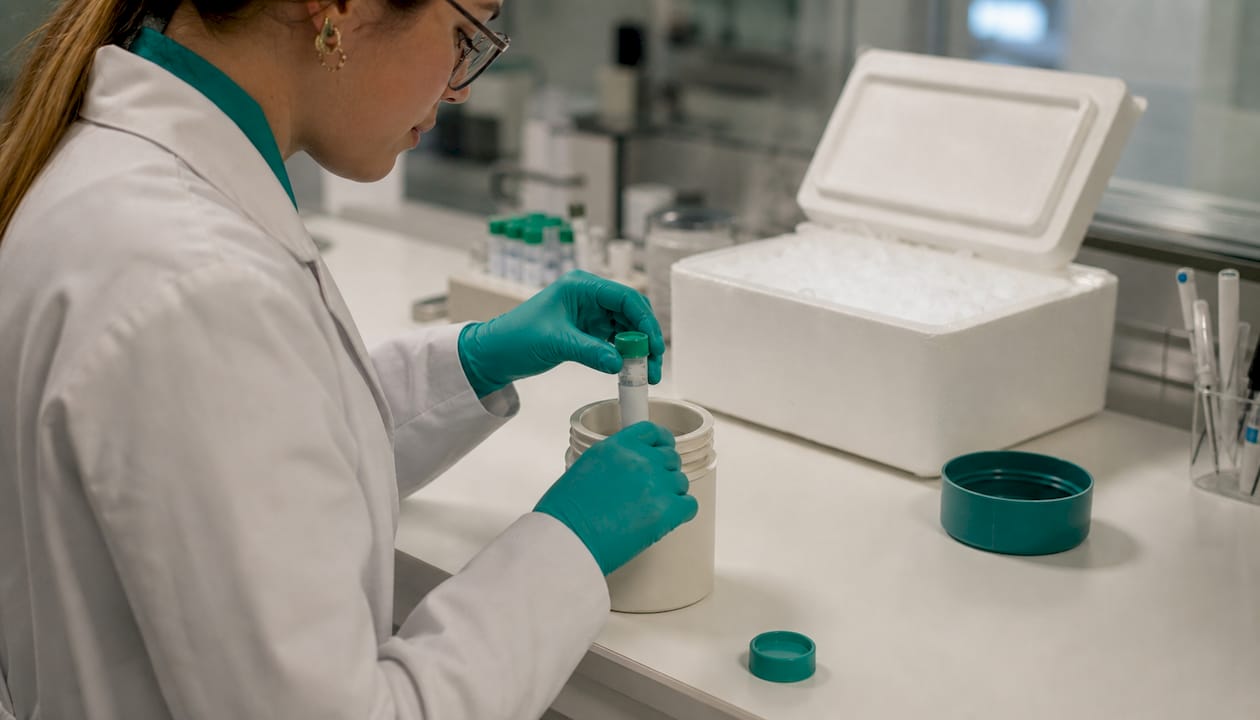
The triple-packaging system
Regulatory compliance for frozen specimen shipping requires a three-layer packaging structure:
Primary receptacle: A leak-proof, sealed container holding the specimen directly. Cryovials and screw-cap tubes with O-rings meet this standard. The primary container must be individually wrapped in absorbent material sufficient to contain the full volume of the specimen if it leaks.
Secondary container: A watertight, puncture-resistant envelope or bag that holds one or more primary receptacles. This layer must be sealed independently and must contain enough absorbent padding to capture any liquid that escapes the primary.
Outer packaging: A rigid, insulated container, typically a styrofoam box inside a corrugated cardboard outer box. Shipments require 5–20 lbs of dry ice fully burying the specimens to prevent temperature fluctuations. Placing dry ice only on top of specimens is a common error that leaves the bottom of the container warm.
Pro Tip: Never allow dry ice to contact specimen tubes directly. Dry ice at –78.5°C causes thermal shock that cracks plastic tubes and compromises seals. Always interpose an absorbent layer or secondary bag between the dry ice and the primary receptacle.
Dry ice sublimation inside a sealed outer container also changes internal pressure. Secondary puncture-resistant packaging prevents leaks caused by this pressure shift during air transport. Skipping this step is one of the most common causes of specimen rejection at receiving labs.
IATA compliance requirements
IATA Dangerous Goods Regulations classify dry ice as a hazardous material for air transport. The outer package must display the dry ice net weight in kilograms, the biohazard symbol if applicable, and the "Exempt Human Specimen" label if the biological material qualifies. Failure to label correctly results in shipment refusal at the carrier hub, often without notification to the sender.
How does proactive temperature management improve frozen specimen stability?
Treating temperature control as proactive rather than reactive is the defining difference between labs that consistently receive valid results and those that deal with repeat collections. Temperature excursions are frequent and invisible without real-time monitoring, which means a compromised sample can arrive looking intact.
Pre-conditioning freezer packs and validated courier totes before loading specimens reduces initial temperature spikes during the first 30 minutes of transport. This window is the highest-risk period because the insulated container has not yet reached thermal equilibrium. Vehicle-mounted freezer units eliminate this risk entirely by maintaining a set temperature independent of ambient conditions.
Real-time temperature traceability systems attach a data logger or wireless sensor to each shipment. These devices record temperature at defined intervals and trigger alerts when readings exceed the acceptable range. Lab managers who require this data as part of their chain of custody documentation have a defensible record if a specimen is questioned at analysis.
A critical and underappreciated failure point is the vehicle-mounted freezer that runs off the engine. When a courier stops the engine during a pickup, the freezer loses power. Depending on the ambient temperature and the thermal mass of the load, internal temperatures can rise to unacceptable levels within 15–20 minutes. Labs should require couriers to document engine-off intervals and use battery-backed units for routes with multiple stops.
Pro Tip: Require your courier to provide a temperature report with every frozen specimen delivery. A single-page log showing min, max, and average temperatures during transit takes seconds to review and immediately flags any excursion that warrants specimen rejection before testing begins.
What are the logistical and regulatory requirements for frozen specimen shipping?
Compliance with IATA, AORN specimen management guidelines, and applicable Transport of Dangerous Goods Regulations (TDGR) is not optional. Non-compliance risks specimen rejection and legal liability, and in cases involving infectious materials, it can create public safety risks.
Shipping day selection
The single most overlooked logistical factor in frozen specimen shipping is the day of the week. Ship frozen specimens Monday through Wednesday to avoid weekend delays. Courier hubs do not replenish dry ice on weekends, and specimens that arrive at a hub on Friday afternoon may sit without refrigeration until Monday morning. That window is long enough to invalidate most frozen biological samples.
Thursday and Friday shipments should be avoided unless a direct, same-day courier service with continuous temperature control is confirmed. This is not a preference. It is a documented best practice supported by shipping guidelines from major clinical research organizations.
Staff training and documentation requirements
Biennial staff shipping training is the standard lab managers should require for anyone who packages or hands off frozen specimens. Training must cover IATA dangerous goods classifications, proper dry ice handling, packaging verification, and labeling requirements. Untrained staff are the most common source of packaging errors that lead to specimen rejection.
Documentation for each frozen shipment must include a packing list inside the outer container, the dry ice weight in kilograms on the outer label, the biohazard label if applicable, the sender and receiver contact information, and the specimen manifest. Missing any one of these elements gives the carrier grounds to refuse the shipment.
For labs that outsource specimen transport, confirming that the courier service maintains its own IATA-compliant training records and packaging protocols is a non-negotiable requirement before signing a service agreement.
What steps should lab managers follow to prepare and ship frozen specimens?
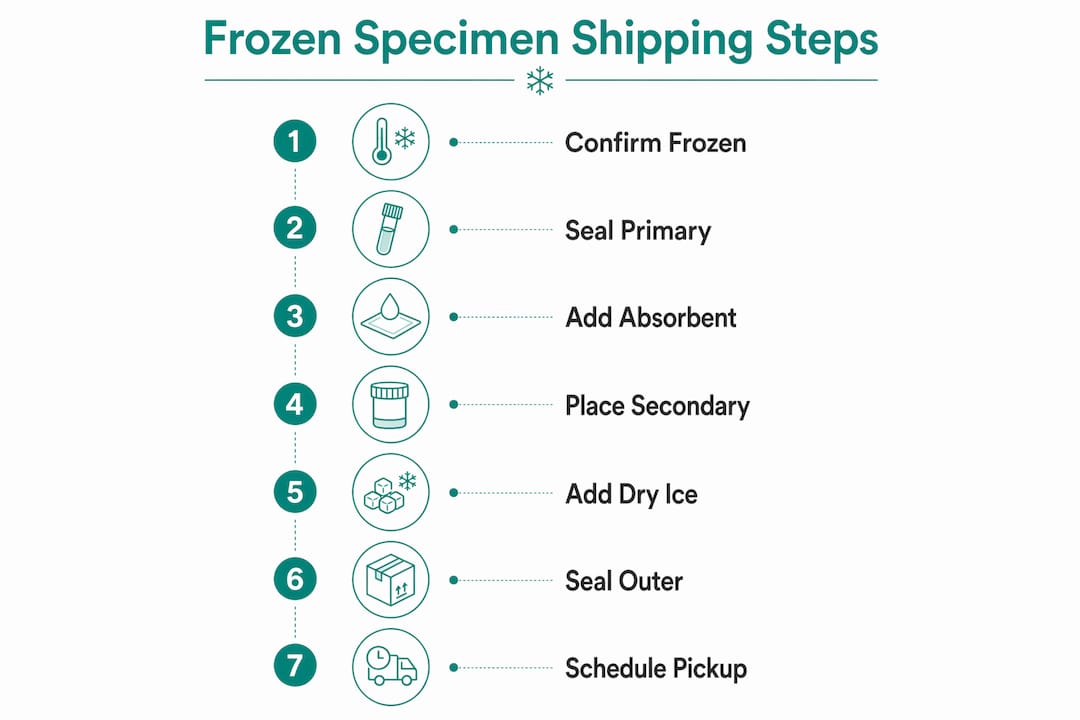
A consistent, stepwise packaging process eliminates the variability that causes most frozen specimen failures. The following procedure reflects current best practices for frozen biological sample transport.
Step 1: Confirm the specimen is fully frozen before packaging. A partially thawed sample placed on dry ice will not re-freeze to its original state and may have already undergone analyte degradation.
Step 2: Place the primary specimen container in a biohazard bag with an absorbent pad. Seal the bag completely. If multiple specimens share a secondary container, wrap each primary container individually before grouping them.
Step 3: Place the sealed primary containers into the secondary puncture-resistant container. Add additional absorbent material around the primaries to fill any void space and prevent movement during transit.
Step 4: Place the secondary container into the insulated styrofoam box. Add dry ice around and beneath the specimens, fully burying them. The dry ice quantity should be 5–20 lbs depending on transit time and ambient temperature.
Step 5: Seal the styrofoam box and place it inside the corrugated outer box. Affix all required labels: dry ice weight, biohazard symbol, exempt human specimen designation, sender and receiver information, and the specimen manifest in a document pouch on the outside.
Step 6: Coordinate pickup with your courier and confirm the expected delivery window. For same-day lab transport, verify that the courier uses temperature-controlled vehicles and provides a delivery confirmation with temperature data.
Pro Tip: Weigh the dry ice immediately before sealing the outer box and record that weight on the label. Dry ice sublimates continuously, so the weight at packaging is the most accurate figure for regulatory labeling and gives the receiving lab a reference point for transit duration.
Key Takeaways
Frozen specimen transport requires an unbroken cold chain from collection to analysis, and every gap in packaging, monitoring, or documentation creates a point of failure that affects diagnostic accuracy.
| Point | Details |
|---|---|
| Temperature threshold | Maintain samples at –20°C or colder throughout transit using dry ice or mechanical refrigeration. |
| Triple-packaging compliance | Use a leak-proof primary, puncture-resistant secondary, and rigid insulated outer container for every shipment. |
| Dry ice placement | Fully bury specimens in 5–20 lbs of dry ice; never place dry ice only on top or in direct contact with tubes. |
| Ship Monday through Wednesday | Avoid Thursday and Friday shipments to prevent weekend delays where dry ice cannot be replenished. |
| Real-time monitoring | Require temperature logs with every delivery to document cold chain integrity and support specimen validity. |
The part of specimen transport most labs still get wrong
The technical requirements for frozen specimen transport are well documented. The gap I see consistently is not in the packaging protocols. It is in how labs treat the handoff between clinical staff and the courier.
Most packaging errors happen in the last five minutes before pickup, when a staff member is rushing to meet the driver. The dry ice weight goes unrecorded. The outer label gets the wrong specimen count. The secondary container is sealed but not checked for absorbent material. These are not ignorance failures. They are process failures, and they are entirely preventable with a two-minute pre-shipment checklist posted at the packaging station.
The other underestimated factor is courier selection. A courier who does not use validated, temperature-controlled totes and cannot provide a temperature report is not a compliant partner for frozen specimen transport, regardless of price or convenience. Labs that treat courier selection as a procurement decision rather than a clinical quality decision will eventually face a specimen rejection that costs far more than the savings on the courier contract.
Real-time traceability technology has changed what is possible here. When a temperature excursion occurs mid-route, a lab manager with a live alert can call the courier, assess the situation, and make a rejection decision before the specimen is even unloaded. That is a fundamentally different posture than discovering a problem after testing has begun. The labs that adopt this approach treat transport as an extension of their quality management system, not a separate operational concern.
> — Copergrine Editorial Team
***
Copergrine's temperature-controlled courier services for frozen specimens
Reliable frozen specimen transport requires more than a cooler and a driver. Copergrine's temperature-controlled courier service operates with validated cold chain protocols, real-time temperature monitoring, and staff trained to handle frozen biological samples in compliance with IATA and applicable shipping regulations.
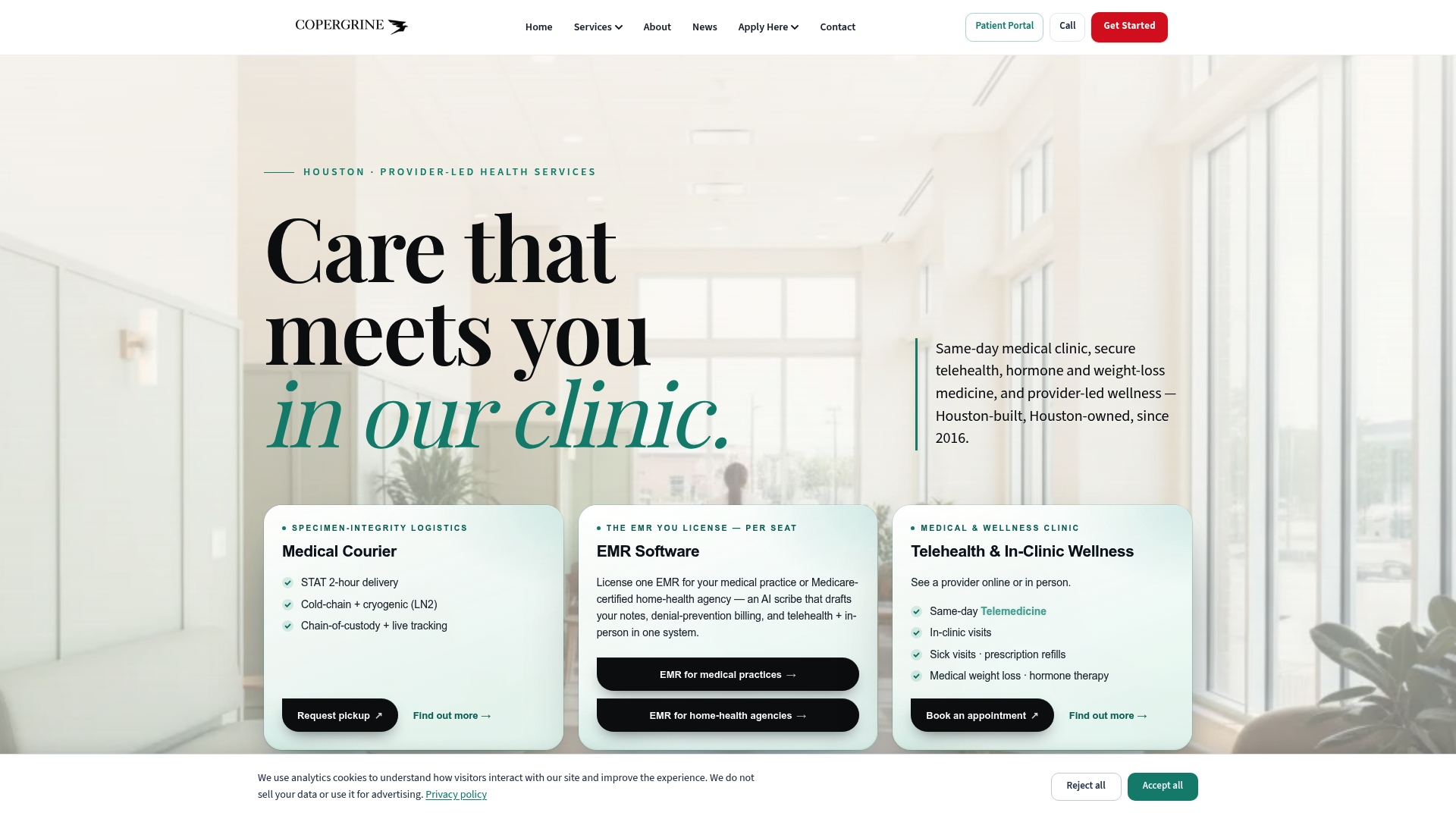
Copergrine serves healthcare facilities and laboratory managers across the Greater Houston area and Dallas with same-day pickup, continuous temperature documentation, and delivery confirmation on every run. For labs that need a courier partner who treats specimen integrity as a clinical priority, Copergrine's medical courier solutions are built to meet that standard. Contact Copergrine to discuss your frozen specimen transport requirements and review service options for your facility.
***
FAQ
What is the required temperature for frozen specimen transport?
Frozen specimens must be maintained at –20°C or colder throughout transit. Dry ice, which operates at –78.5°C, is the standard refrigerant used to meet this requirement.
How much dry ice is needed for frozen specimen shipping?
Shipments typically require 5–20 lbs of dry ice, with specimens fully buried rather than placed on top. The exact amount depends on transit time and ambient temperature conditions.
Why should frozen specimens not be shipped on Thursdays or Fridays?
Shipping late in the week risks weekend delays at courier hubs where dry ice cannot be replenished. Specimens that sit without refrigeration over a weekend are typically invalid upon arrival.
What labeling is required on a frozen specimen shipment?
The outer package must display the dry ice weight in kilograms, a biohazard symbol if applicable, the "Exempt Human Specimen" label, and complete sender and receiver contact information. Missing labels can result in carrier refusal.
How often should staff receive training on frozen specimen shipping?
Biennial training is the standard recommended for staff who package or hand off frozen specimens. Training must cover IATA dangerous goods classifications, packaging verification, and labeling requirements.
Recommended
- Cryogenic LN2 specimen transport: when your samples need more than a cooler | Copergrine
- Rural-to-urban specimen transport: handling temperature-sensitive samples | Copergrine
- How to Package Biohazard Specimens for Transport | Copergrine
- Why Clinics Outsource Specimen Transport: A Practical Guide | Copergrine