
What Does Urgent Specimen Pickup Mean for Labs
Discover what does urgent specimen pickup mean for labs. Learn its role in speeding up diagnoses and ensuring specimen integrity.
What Does Urgent Specimen Pickup Mean for Labs
***
> TL;DR: > > - Urgent specimen pickup involves the rapid collection and transport of biological samples requiring immediate processing to maintain their integrity. Proper classification, temperature control, clear communication, and correct packaging are essential to ensure reliable and timely diagnostic results.
***
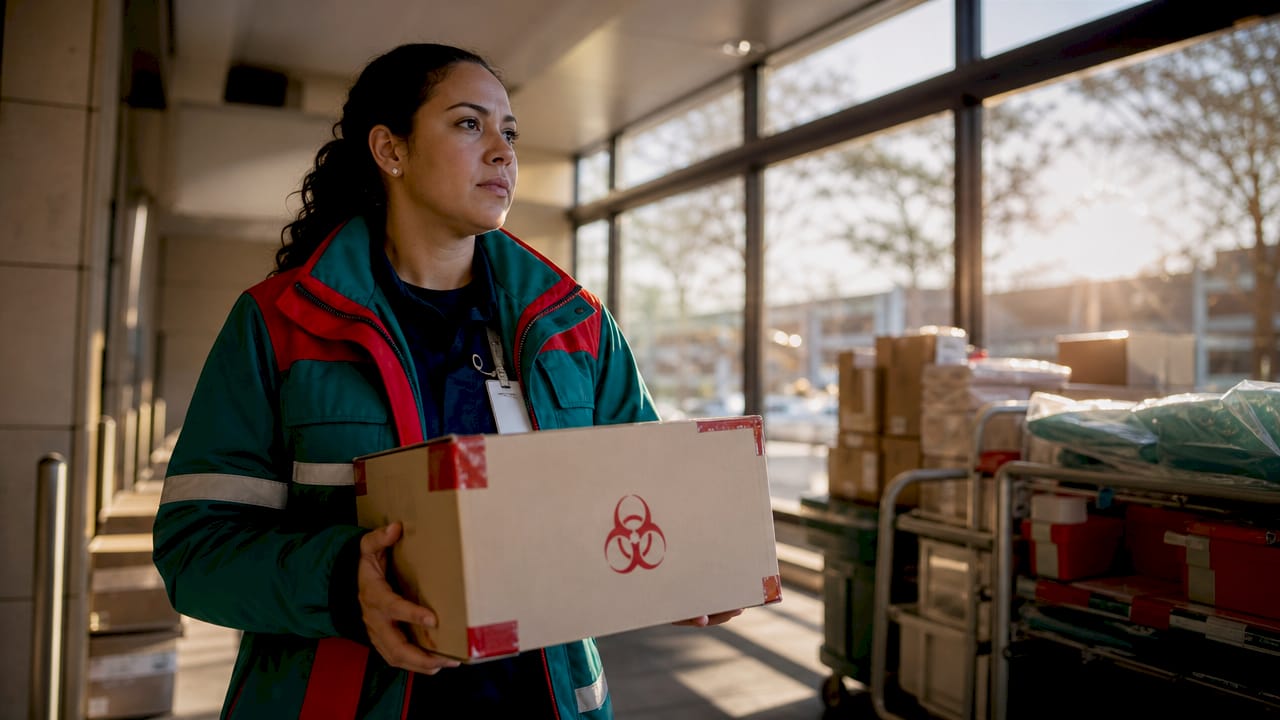
Urgent specimen pickup is defined as the expedited retrieval and transport of biological samples that require immediate processing to preserve their integrity and support accurate diagnosis. In clinical practice, this process is formally classified under priority codes such as STAT, ASAP, and Priority, each carrying specific time expectations for collection and delivery. Understanding what does urgent specimen pickup mean goes beyond a simple definition. It shapes how laboratory staff schedule couriers, how clinical teams communicate sample needs, and ultimately how quickly a patient receives a diagnosis. The CDC and CLSI both recognize that specimen integrity begins at the point of collection, making the pickup phase a critical link in the diagnostic chain.
***
What does urgent specimen pickup mean in healthcare protocols?
Urgent specimen pickup is operationally defined as collection within 60 minutes of the request, with STAT and ASAP labels indicating the highest levels of time sensitivity. The HL7 FHIR specimen collection priority extension standardizes these codes so that every member of the care team, from the ordering physician to the courier driver, interprets urgency consistently. That consistency reduces the risk of a STAT specimen sitting unattended while a courier treats it as a routine run.
Operationally, urgent pickups fall into two scheduling models:
- STAT (immediate): Courier dispatched within minutes of the order; no advance scheduling required.
- ASAP: Pickup expected within the hour; slightly more flexibility than STAT but still time-critical.
- Priority: Scheduled with advance notice but processed before routine specimens upon arrival at the lab.
- On-call availability: Many medical courier services maintain 24/7 on-call coverage for urgent biological samples, ensuring no gap in service outside business hours.
- Routine: Standard scheduling with no time-critical expectation.
Healthcare staff must know which code applies before contacting the courier. Misclassifying a STAT specimen as Priority delays processing and can compromise test results. The classification decision belongs to the ordering clinician, but the responsibility for communicating it accurately falls on the entire care team.
Courier drivers handling urgent lab specimens receive specialized training in biohazard protocols and HIPAA compliance, as well as CDC-aligned handling procedures. That training is not optional. A driver who mishandles a blood culture or centrifuges a specimen at the wrong time invalidates the sample regardless of how fast the pickup occurred.
***
How does temperature control affect urgent specimen pickup success?
Temperature is the single most consequential variable in urgent specimen collection. Many analytes, including certain hormones, coagulation factors, and RNA-based markers, begin to degrade within minutes of leaving a controlled environment. A fast pickup means nothing if the specimen arrives at the lab outside its required temperature range.
The chain of custody for temperature starts before the courier arrives. Healthcare staff must store specimens in the correct medium immediately after collection. Whole blood for certain panels requires room temperature storage. Cerebrospinal fluid requires body temperature. Urine cultures require refrigeration. Matching the storage condition to the analyte is not a courier responsibility. It is a clinical one.
Environmental exposure adds a layer of complexity that many facilities underestimate:
- Extreme heat: Specimens left in outdoor lockboxes during summer months can reach temperatures that denature proteins within 30 minutes.
- Extreme cold: Freezing temperatures cause hemolysis in whole blood samples, rendering them unacceptable for most chemistry panels.
- Humidity: High humidity accelerates bacterial growth in open-container specimens.
- Direct sunlight: UV exposure degrades photosensitive analytes such as bilirubin and certain vitamins.
Corewell Health Laboratory advises that specimens should not remain in unregulated outdoor lockboxes for more than one hour during extreme weather conditions. That guideline reflects a practical threshold. Beyond one hour, the risk of specimen failure outweighs the convenience of the lockbox.
Pro Tip: If your facility uses an outdoor lockbox and the courier's estimated arrival exceeds 60 minutes during a heat advisory or freeze warning, move the specimen indoors immediately. Notify the courier of the new pickup location at the same time.
Insulated transport bags, gel packs, and dry ice are the standard tools for maintaining temperature during transport. The correct choice depends on the specimen type and the required temperature range. Facilities should confirm these requirements with the receiving laboratory before the courier arrives, not after.
***
What are the key communication challenges in urgent specimen pickups?
Clear communication between the medical office, the laboratory, and the courier is the most frequently cited failure point in urgent specimen logistics. Every biological sample represents a patient waiting for critical answers, and miscommunication about temperature requirements or specimen accessibility directly delays those answers.
The information exchange required for a successful urgent pickup includes:
- Specimen type and volume: The courier needs to know what they are transporting to bring the correct containment materials.
- Temperature requirements: Room temperature, refrigerated, or frozen. This must be communicated at the time of the pickup request, not when the driver arrives.
- Pickup location: Specific room, floor, or lockbox. Vague directions cost time in urgent situations.
- Contact person: A named staff member who can hand off the specimen and confirm documentation.
- Receiving lab details: Address, hours, and any special intake procedures the courier must follow upon delivery.
Pro Tip: Create a standard urgent pickup request form that captures all five data points above. Laminate a copy at the front desk and the specimen collection area. When a STAT order comes in, staff complete the form before calling the courier, not during the call.
Poor communication produces predictable consequences. Delays and miscommunication can lead to compromised test results and direct harm to patient care. A courier who arrives at the wrong entrance, waits 20 minutes for a staff member to locate the specimen, and then discovers the sample requires refrigeration but was stored at room temperature has encountered three separate communication failures. Each one was preventable.
Technology improves coordination significantly. Real-time tracking platforms allow clinical staff to monitor courier location and estimated arrival time. Secure messaging systems enable instant updates if specimen conditions change after the pickup request is placed. Facilities that integrate these tools into their specimen transport workflows report fewer delays and fewer rejected samples at the receiving lab.
***
How should healthcare staff prepare specimens for urgent pickup?
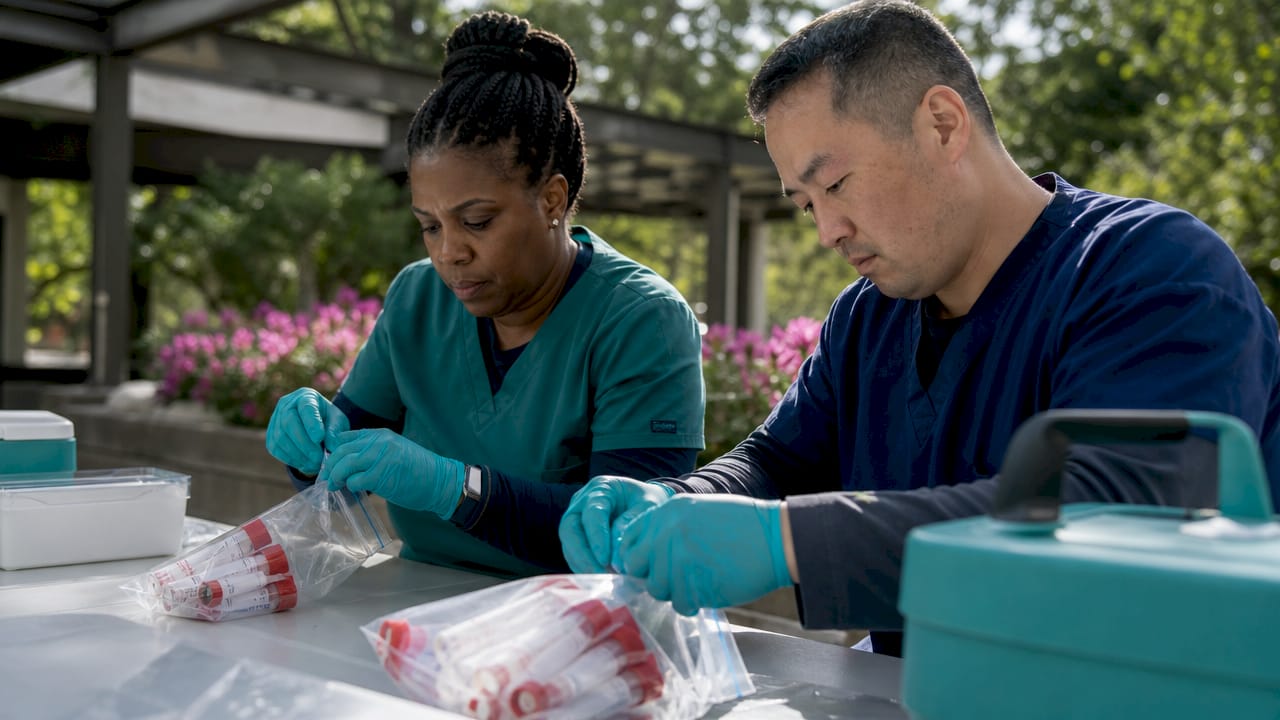
Correct specimen preparation is the foundation of a successful urgent lab specimen transport. No amount of courier speed compensates for a mislabeled tube, an improperly sealed container, or missing documentation.
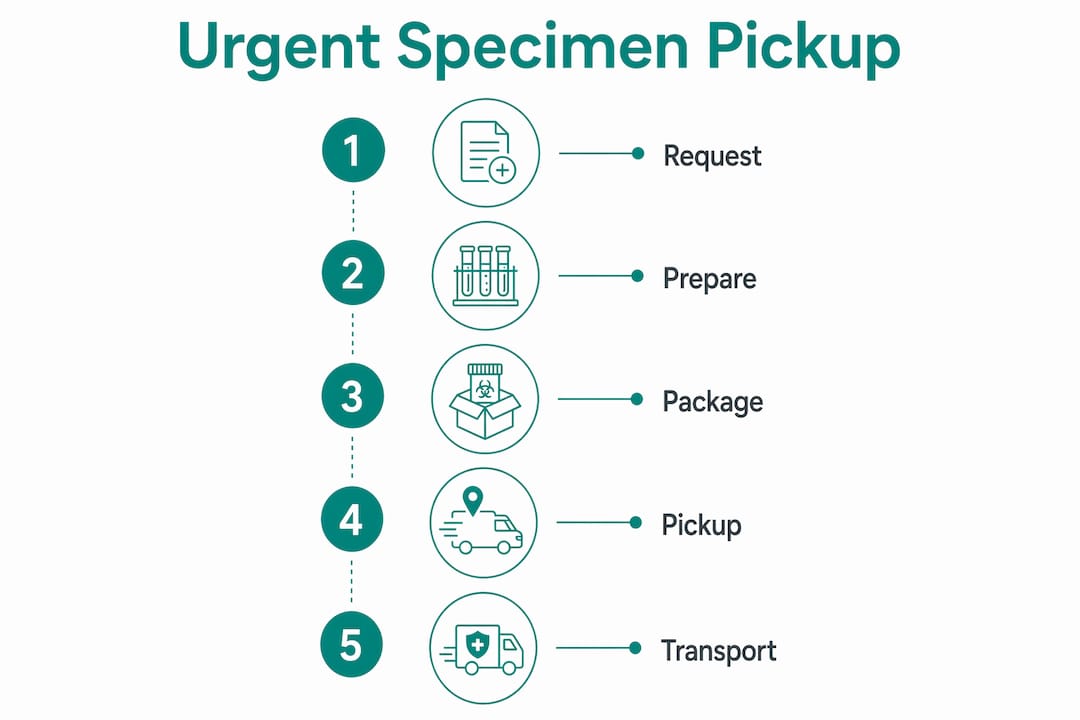
The preparation sequence for urgent specimens follows a defined order:
- Collect the specimen using the correct tube type, volume, and collection technique specified by the ordering test.
- Label immediately at the point of collection. Labels must include patient name, date of birth, collection date and time, and the ordering clinician's name.
- Apply biohazard labeling to the primary container and any secondary packaging. This is a regulatory requirement, not a courtesy.
- Select the appropriate transport container. Use insulated materials and temperature-appropriate packs based on the specimen's storage requirements.
- Complete the requisition form and place it in the outer pouch of the transport bag, never inside the specimen compartment.
- Notify the courier with all required information before sealing the package.
The table below summarizes packaging requirements by specimen category:
| Specimen type | Primary container | Temperature requirement | Secondary packaging |
|---|---|---|---|
| Whole blood (chemistry) | EDTA or SST tube | Room temperature (18–25°C) | Biohazard bag, rigid outer box |
| Blood culture | Aerobic/anaerobic bottles | Body temperature (35–37°C) | Insulated bag, no ice |
| Urine culture | Sterile cup with lid | Refrigerated (2–8°C) | Biohazard bag, gel pack |
| Tissue biopsy | Formalin-fixed container | Room temperature | Leak-proof secondary container |
| Frozen specimens | Cryovial | Dry ice required | Insulated shipper, dry ice label |
Regulatory compliance for biohazard specimen packaging requires that all urgent specimens meet the same standards as routine ones. Urgency does not create an exemption from labeling or containment rules. Facilities that skip steps under time pressure create liability exposure and increase the rate of specimen rejection at the receiving lab.
***
Key Takeaways
Urgent specimen pickup succeeds when clinical staff apply consistent priority classification, maintain temperature integrity from collection through delivery, and communicate all specimen requirements to the courier before pickup begins.
| Point | Details |
|---|---|
| Priority classification matters | STAT, ASAP, and Priority codes set specific time expectations that every team member must interpret consistently. |
| Temperature control starts before pickup | Staff must store specimens correctly from the moment of collection, not after the courier arrives. |
| Communication prevents specimen failure | Sharing temperature needs, pickup location, and contact details at the time of the request eliminates the most common failure points. |
| Packaging is non-negotiable | Biohazard labeling, correct containers, and complete documentation are required for every urgent specimen, without exception. |
| Courier training affects test accuracy | Drivers trained in CDC and HIPAA protocols protect specimen integrity throughout transport, not just during pickup. |
***
What I have learned from watching urgent pickups go wrong
Working closely with healthcare logistics over many years, the pattern I see most often is not a failure of speed. It is a failure of preparation. A courier can arrive in 20 minutes and still deliver a useless specimen if the clinical team did not store it correctly, label it completely, or communicate the temperature requirements before the driver left the building.
The facilities that handle urgent specimen collection well share one trait: they treat the pickup request as the final step in a preparation sequence, not the first. By the time the courier is called, the specimen is labeled, packaged, and ready. The staff member at the desk knows exactly where it is and what the driver needs. That discipline does not come from urgency. It comes from training and protocol adherence practiced on routine pickups until it becomes automatic.
The second pattern I see is overconfidence in outdoor lockboxes. Lockboxes are convenient, but they are not temperature-controlled environments. On a 95-degree Houston afternoon, a specimen left in a metal box in direct sunlight for 45 minutes is already compromised before the courier touches it. The one-hour threshold from Corewell Health Laboratory is a ceiling, not a target. Facilities in climates with extreme seasonal temperatures should treat 30 minutes as the practical limit and build their workflows accordingly.
Training matters more than technology in this space. Real-time tracking and digital request forms help, but they do not replace a staff member who understands why a blood culture cannot be refrigerated or why a bilirubin sample must be shielded from light. Invest in that knowledge first. The tools support people who already know what they are doing.
> — Copergrine Editorial Team
***
Copergrine's medical courier service for urgent specimen transport
Copergrine operates a dedicated medical courier service in the Greater Houston area, built specifically for the time-critical demands of clinical and laboratory specimen transport. Every courier is trained in CDC-aligned handling procedures, biohazard protocols, and HIPAA-compliant chain of custody documentation.
For healthcare teams managing urgent lab specimens, Copergrine offers real-time tracking, same-day pickup availability, and customized workflows that align with your facility's temperature and handling requirements. The service integrates directly with clinical operations, so your staff spends less time coordinating logistics and more time on patient care. Contact Copergrine to discuss a same-day transport solution tailored to your practice's specimen volume and urgency needs.
***
FAQ
What does urgent specimen pickup mean in clinical terms?
Urgent specimen pickup is the expedited retrieval of biological samples requiring immediate transport to preserve integrity and support timely diagnosis. It is formally classified using priority codes such as STAT or ASAP, with STAT typically requiring collection within 60 minutes.
How do I request an urgent specimen pickup?
Contact your designated medical courier with the specimen type, temperature requirements, exact pickup location, and a named contact person before the driver is dispatched. Providing complete information at the time of the request prevents delays and reduces the risk of specimen rejection.
What is the difference between STAT and ASAP specimen pickup?
STAT indicates the highest urgency, requiring immediate courier dispatch with no advance scheduling. ASAP allows slightly more lead time but still requires pickup within the hour, making both classifications time-critical under HL7 FHIR priority standards.
How long can a specimen wait in an outdoor lockbox before pickup?
Specimens should not remain in unregulated outdoor lockboxes for more than one hour during extreme weather conditions, according to Corewell Health Laboratory guidance. In high heat or freezing temperatures, the practical safe window is shorter, and moving the specimen indoors is the correct action if the courier's arrival will exceed that threshold.
What packaging is required for urgent biohazard specimens?
Urgent biohazard specimens require a labeled primary container, a sealed biohazard bag as secondary packaging, and a rigid outer container with complete documentation in the outer pouch. These packaging requirements apply regardless of pickup urgency and must meet regulatory standards for every transport.
Recommended
- Lab Specimen Transport in Houston | Copergrine | Copergrine
- Benefits of Same-Day Lab Transport for Healthcare Teams | Copergrine
- STAT lab specimen delivery in Houston: how 2-hour windows actually work | Copergrine
- Cryogenic LN2 specimen transport: when your samples need more than a cooler | Copergrine