
Why Reliable Couriers Reduce Lab Errors in Healthcare
Discover why reliable courier reduces lab errors in healthcare. Learn how they maintain specimen integrity and enhance lab accuracy.
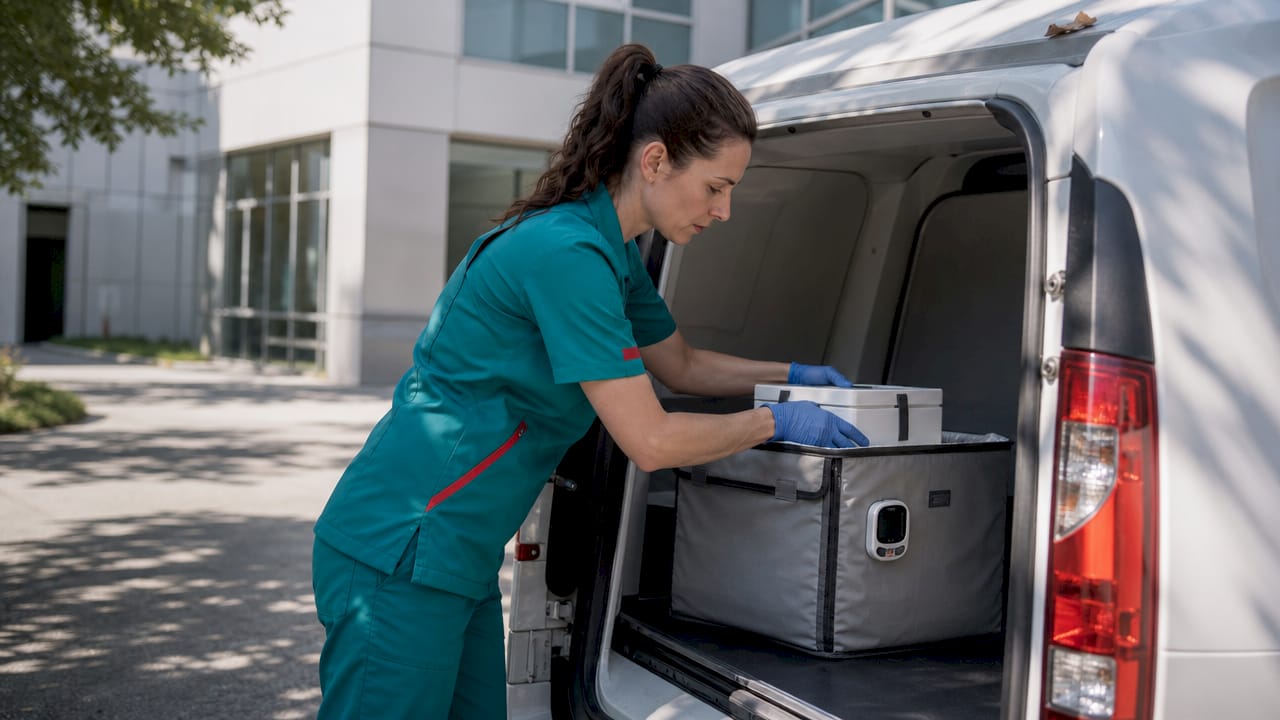
Why Reliable Couriers Reduce Lab Errors in Healthcare
***
> TL;DR: > > - Reliable courier services protect specimen integrity, reducing lab errors and improving diagnosis accuracy. > - High-performance couriers with validated cold-chain solutions and real-time monitoring minimize transport-related failures.
***
Reliable courier services are defined as a direct cause of reduced laboratory errors, because they protect specimen integrity from the moment of collection through final delivery. Pre-analytical variables account for up to 70% of all laboratory errors, and the majority occur during transport. A failed delivery does not just inconvenience lab staff. It triggers patient re-draws, delays diagnoses, and raises operational costs across the entire care continuum. Understanding why reliable courier reduces lab errors is the foundation of any serious effort to improve clinical outcomes and lab accuracy.
How do courier services impact specimen integrity and lab accuracy?
The courier's role in lab accuracy begins the moment a specimen leaves the collection site. Transport delays contribute measurably to pre-analytical rejections. Those rejections represent real patients waiting longer for results, and real clinicians making decisions without complete data.
Three transport conditions drive the majority of specimen failures:
- Temperature excursions: Blood gases, coagulation panels, and certain hormone assays degrade rapidly outside their required temperature range. Even a brief exposure to ambient heat can render a sample unacceptable.
- Improper sample orientation: Tubes inverted incorrectly or shaken during transit cause hemolysis, which is one of the most common rejection reasons in clinical labs.
- Broken chain of custody: Temperature excursions and broken chain-of-custody records significantly raise specimen rejection likelihood, undermining diagnostic accuracy across the board.
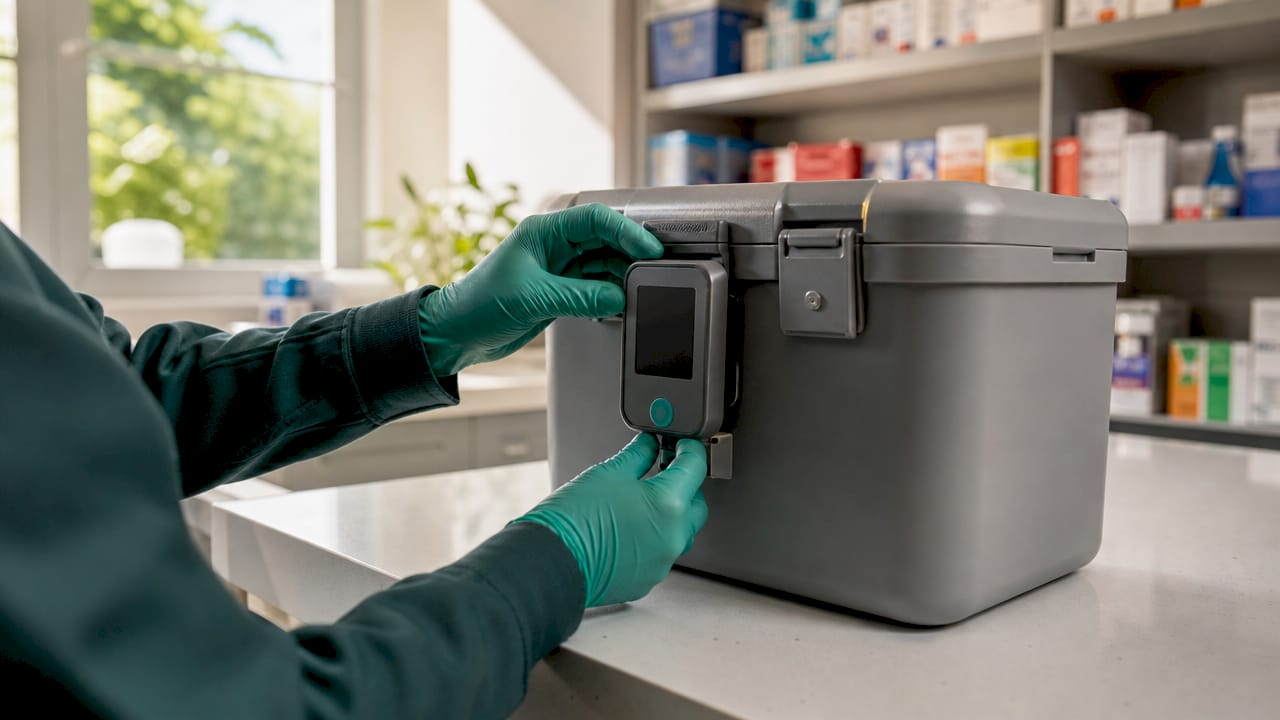
Specialized medical couriers address each of these failure points directly. They use validated cold-chain containers, real-time temperature logging, and documented handoff protocols. Real-time temperature logging and alerts can measurably reduce rejection rates. That reduction translates directly into fewer repeat collections and faster turnaround times.
Pro Tip: Require your courier to provide a temperature excursion log for every route, not just on request. Consistent documentation reveals patterns that one-off incident reports miss entirely.
What are the operational and patient care benefits of reliable medical couriers?
Courier reliability and lab results are inseparable when you examine the full operational picture. Lower specimen rejection rates reduce the workload on phlebotomy teams, decrease re-collection costs, and free lab staff to focus on analysis rather than damage control.
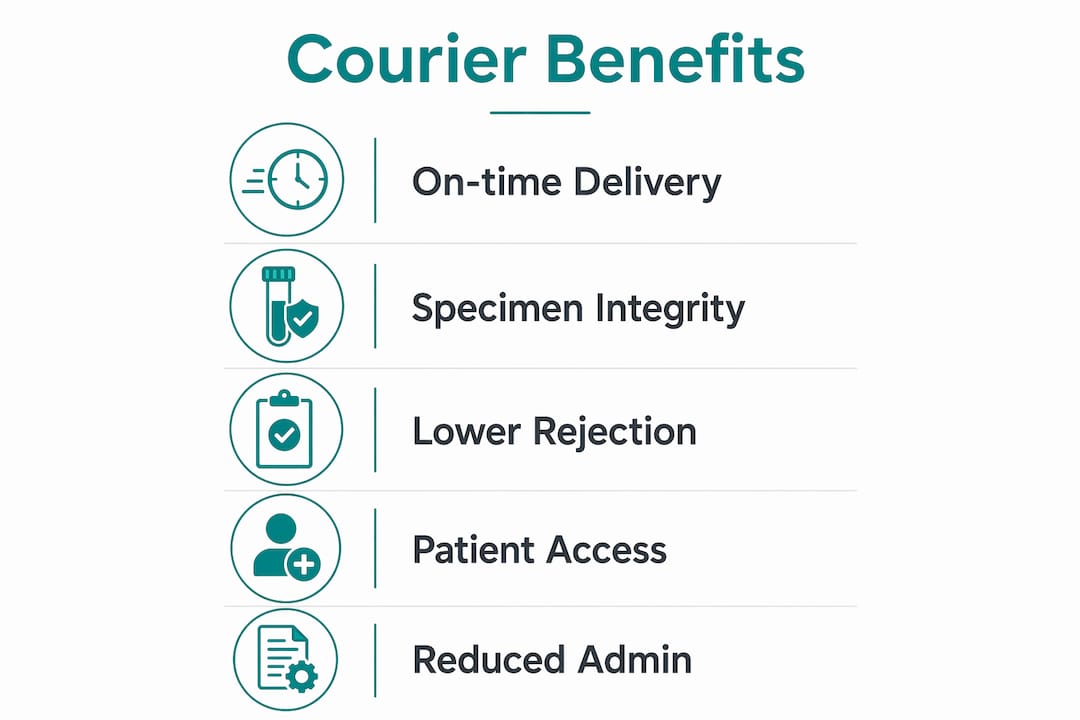
The clinical benefits extend directly to patients. Courier timing optimization can increase patient access to same-day blood draws and improve turnaround times without additional costs. That improvement boosts clinician confidence and patient satisfaction simultaneously. When a physician can trust that a morning draw will produce an afternoon result, treatment decisions happen faster and with greater certainty.
The administrative burden also drops measurably. Consistent courier schedules reduce the reactive follow-ups and specimen tracking issues that consume staff time. Specialized couriers eliminate "logistics noise," allowing lab staff to focus on testing rather than compensating for transport failures. That shift in focus is not a minor convenience. It is a structural improvement in how a lab operates day to day.
Consider the effect of on-time performance on specimen failures. Reliable medical couriers maintain consistently high on-time delivery rates, which can reduce failed specimens. Each avoided failure represents a patient spared a repeat draw, a clinician spared a delay, and a lab spared the cost of reprocessing.
How to evaluate and maintain a high-quality courier partnership
Selecting a courier is a clinical decision, not just a procurement exercise. Healthcare administrators should evaluate courier partners against measurable performance criteria and audit them regularly using data the lab already collects.
The most important evaluation criteria are:
- On-time delivery rate: Specialized medical couriers should maintain a consistently high rate. Any material decline warrants immediate review.
- Specimen integrity failure rate: Top-performing couriers maintain very low failure rates. Ask for this figure in writing before signing any contract.
- Incident response protocols: Specialized couriers must provide written protocols for specimen integrity during temperature deviations. A vendor without documented incident response relies on chance rather than systematic controls.
- Chain-of-custody documentation: Every handoff should be logged with timestamps and personnel identifiers. This protects both the lab and the patient.
Most labs do not use their own rejection logs to audit courier performance. Linking courier contracts to transport-related rejections, such as hemolysis rates and temperature excursion incidents, creates accountability and encourages proactive risk management. Your specimen rejection data is the most objective benchmark you have.
Pro Tip: Build a quarterly courier review into your lab's quality management calendar. Compare rejection log trends against courier performance reports to catch deteriorating service before it affects patient care.
The table below summarizes the key metrics and what each one signals about courier quality.
| Metric | Acceptable threshold | What a failure signals |
|---|---|---|
| On-time delivery rate | Consistently high | Route planning or staffing gaps |
| Specimen integrity failure rate | Very low | Inadequate temperature or handling controls |
| Incident response time | Documented protocol required | Systemic risk management gap |
| Chain-of-custody completeness | 100% documented handoffs | Compliance and liability exposure |
What are the challenges in laboratory specimen transportation?
Lab consolidation is increasing transport distances across the country. Longer routes raise the probability of temperature drift, vibration exposure, and handling errors at each transfer point. General logistics providers lack the protocols necessary for clinical specimens, and that gap becomes more consequential as routes grow longer and test complexity increases.
Regulatory compliance adds another layer of difficulty. Clinical specimen transport must align with CLSI (Clinical and Laboratory Standards Institute) guidelines and ISO 15189 standards for medical laboratory quality. These frameworks specify temperature ranges, packaging requirements, and documentation standards that general couriers are not trained to meet.
Specialized medical couriers address these challenges through three core capabilities:
- Validated cold-chain solutions: Containers are tested and certified for specific temperature ranges, not just assumed to perform adequately.
- Real-time monitoring: GPS tracking and temperature sensors provide continuous data, not just a pickup and delivery confirmation.
- Trained staff: Couriers handling clinical specimens require specific training in biohazard handling, chain-of-custody procedures, and emergency response.
Lab networks increasingly rely on specialized medical couriers to meet complicated logistics challenges because general logistics providers simply lack the clinical specimen handling expertise. The cold chain compliance requirements for outpatient labs make this specialization non-negotiable for facilities that take diagnostic accuracy seriously.
Key Takeaways
Reliable courier services reduce lab errors by protecting specimen integrity during transport, which directly lowers pre-analytical rejection rates and improves patient care outcomes.
| Point | Details |
|---|---|
| Pre-analytical errors dominate | Up to 70% of lab errors occur before analysis, mostly during transport. |
| Temperature control is critical | Real-time logging and validated cold-chain handling can measurably reduce rejection rates. |
| On-time performance matters | Improving delivery rates can substantially reduce specimen failures in active clinics. |
| Audit with your own data | Link courier contracts to your lab's rejection logs to enforce accountability. |
| Specialized couriers outperform general logistics | CLSI and ISO 15189 compliance requires training and protocols that general providers do not carry. |
The case for treating courier selection as a clinical quality decision
I have spent years watching healthcare administrators treat courier selection as a back-office procurement task. It is not. The courier is the last clinical variable before a specimen reaches the analyzer, and it is the one variable most facilities manage the least rigorously.
The labs that consistently achieve low rejection rates share one trait: they hold their couriers to the same documentation standards they apply to internal processes. They review temperature logs. They track rejection causes by route. They ask hard questions when incident rates climb. That discipline is not common, but it is reproducible.
What strikes me most is the downstream effect on patient experience. A delayed or rejected specimen does not just inconvenience the lab. It means a patient gets a phone call asking them to come back in. It means a physician waits another day to adjust a medication. The same-day transport benefits that specialized couriers provide are not a logistics upgrade. They are a patient care upgrade.
The facilities that invest in proven courier reliability do not just see lower rejection rates. They see faster clinical decisions, fewer patient complaints, and lab staff who spend their time on analysis rather than chasing samples. That return is measurable, and it starts with treating the courier contract as a clinical quality document.
> — Copergrine Editorial Team
***
Copergrine's medical courier service supports lab accuracy from pickup to delivery
Healthcare facilities across the Greater Houston area rely on Copergrine's medical courier service to maintain specimen integrity on every route. Copergrine operates with real-time tracking, temperature-controlled transport, and documented chain-of-custody protocols designed to meet the standards clinical labs require.

Copergrine's courier division integrates directly with its EMR platform, giving clinical teams visibility into specimen status alongside patient records. That connection reduces the administrative follow-up that slows lab workflows and delays treatment decisions. For facilities that need same-day transport with compliance documentation built in, Copergrine's connected healthcare services offer a practical path to fewer errors and faster results.
***
FAQ
Why do reliable couriers reduce lab errors?
Reliable couriers maintain specimen integrity through temperature control, proper handling, and on-time delivery. Pre-analytical errors cause up to 70% of all lab errors, and most occur during transport, making courier reliability a direct driver of lab accuracy.
What is the most common transport-related cause of specimen rejection?
Hemolysis from improper sample orientation and temperature excursions are the leading transport-related rejection causes. Both are preventable with validated cold-chain containers and trained courier staff following documented handling protocols.
How should a lab evaluate a medical courier's performance?
Evaluate couriers on on-time delivery rate, specimen integrity failure rate, and the quality of their incident response documentation. Linking your lab's own rejection log data to courier performance metrics provides the most objective basis for contract review.
What standards govern clinical specimen transport?
CLSI guidelines and ISO 15189 set the primary standards for specimen transport in clinical laboratories. These frameworks define temperature requirements, packaging specifications, and chain-of-custody documentation that specialized couriers must meet.
Can a better courier service reduce costs for a healthcare facility?
Fewer specimen rejections mean fewer repeat collections, less staff time spent on follow-up, and faster turnaround times. Facilities that improve courier on-time rates can substantially reduce failed specimens, which produces direct cost savings across phlebotomy, lab processing, and patient scheduling.
Recommended
- Reducing pre-analytic errors: the courier's role in lab accuracy | Copergrine
- 5 signs your lab needs a dedicated medical courier partner in Houston | Copergrine
- How to evaluate a medical courier's reliability before you commit | Copergrine
- Medical courier for hospitals, labs, and the VA: compliance-ready logistics at scale | Copergrine